
by JW | Sep 29, 2026 | Articles
Shaping Culture From Defense I’ve spent the past several weeks arguing that organizations can become overprotected. Defense is an essential element of Organizational Design. Organizations need mechanisms that help them survive threats, manage risk, and recover...
by JW | Sep 8, 2026 | Articles
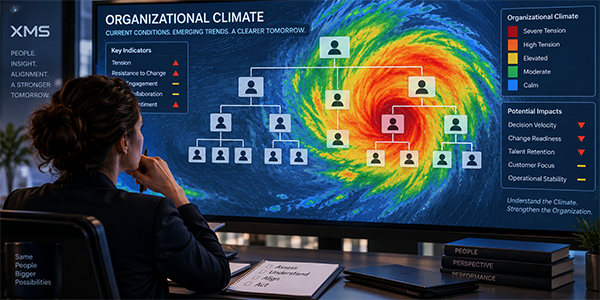
Organizational Climate describes how members affectively experience their organizational environment at a given time, particularly through the organization’s level of Organizational Tension and Resistance to Change. There is no universally ideal Organizational...

by JW | Sep 4, 2026 | News
Jumped on with Sana at BizBlend in July to discuss one of the biggest undiscussables in industry today: when leaders proclaim, “people are our greatest asset,” but don’t really mean it. Here it straight from an insider who has actually been in the strategy room trying...
by JW | Aug 24, 2026 | News
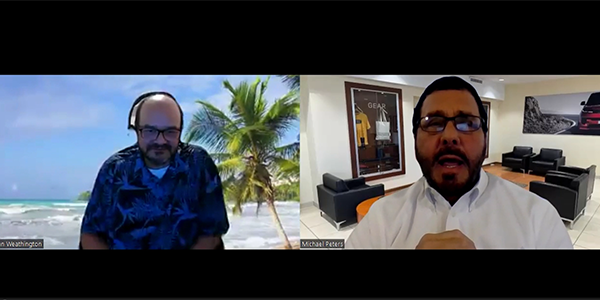
Last month I had an engaging discussion with Michael Peters, author of High Performance Team Leadership, about leadership, strategy, and current workplace conditions. In this 30-min. podcast, we discuss current industry trends, what’s working for my best clients, and...

by JW | Aug 24, 2026 | Articles
Leadership doesn’t require being certain you’re right. It requires enough conviction to act on the best understanding available and enough humility to change when reality gives you a better answer. That’s Epistemic Humility: recognizing the limits of...
